When It’s Time to Fire Your Bad Boss and Move On.
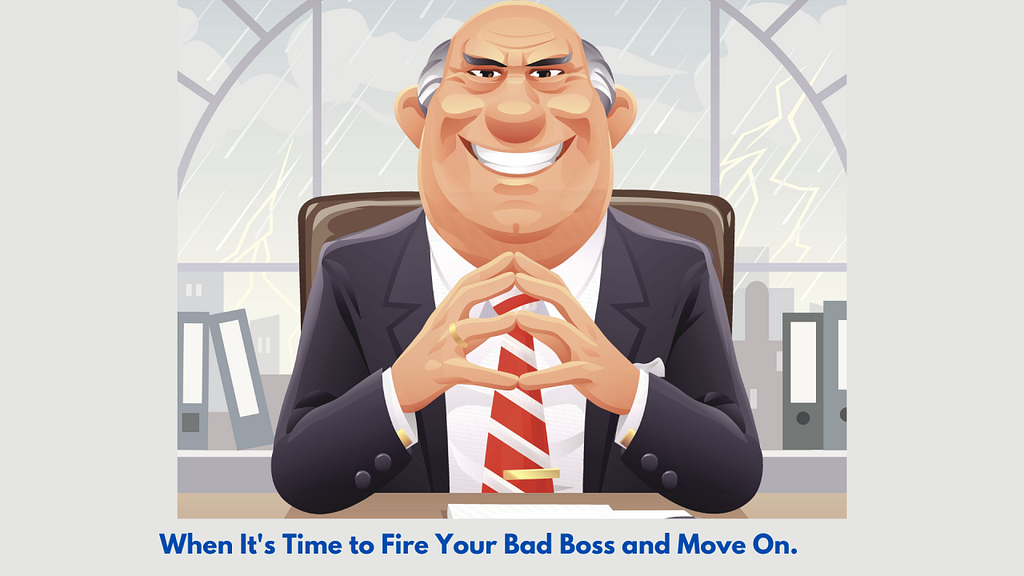
We’ve all been there, dealing with a bad boss who makes our work life a living nightmare. Whether they’re micromanagers, bullies, or simply incompetent, having a toxic boss can seriously impact our well-being and job satisfaction. But how do you know when it’s time to say enough is enough and make the bold decision to fire your boss and move on? Let’s explore some telltale signs that indicate it might be time to part ways with your bad boss and take control of your career. 👇
➡️ Toxic Work Environment: A bad boss can create a toxic work environment where negativity thrives. If your boss promotes gossip, encourages a blame culture, or fosters unhealthy competition among employees, it can be detrimental to your well-being and job satisfaction. Remember, you spend a significant portion of your life at work, and it should be a place where you feel supported and motivated. If your boss consistently contributes to a toxic atmosphere, it’s time to consider leaving for a healthier work environment.
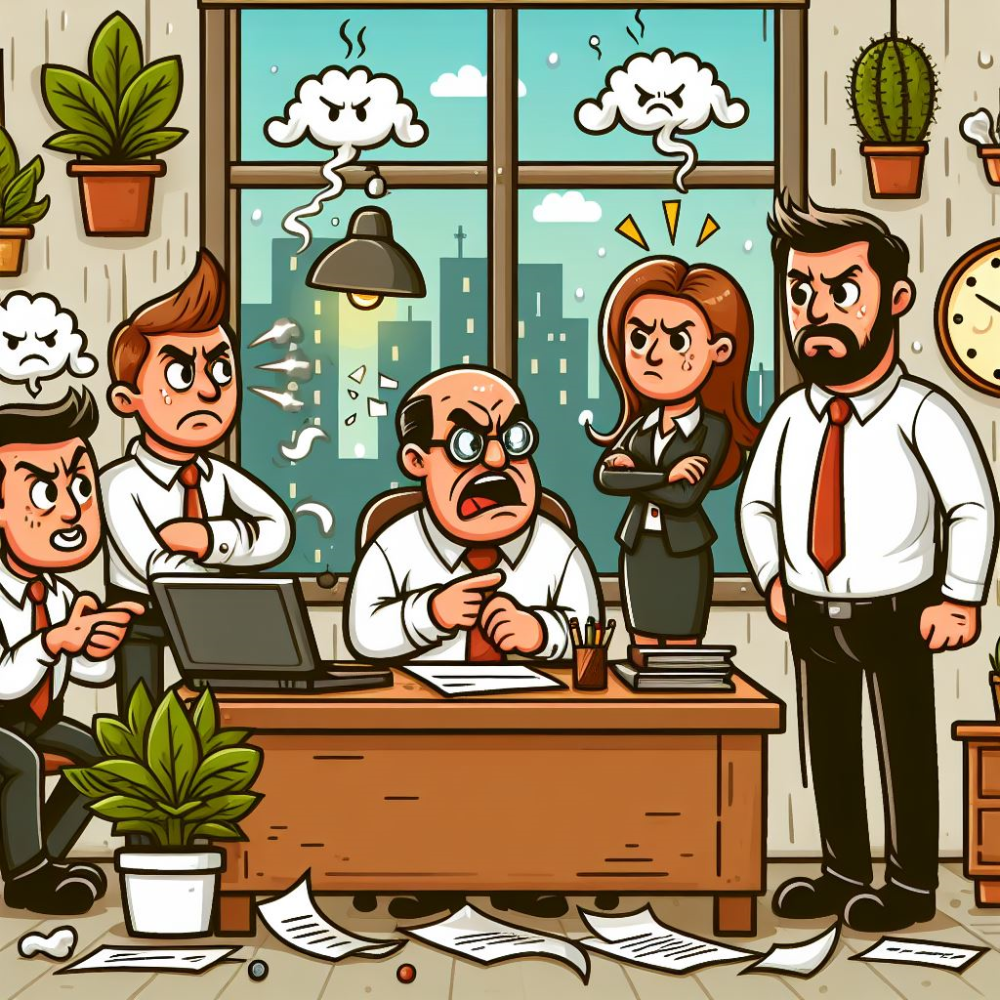
➡️ Lack of Support and Recognition: A good boss should provide support, guidance, and recognize your efforts. If your boss consistently fails to acknowledge your achievements or provide the necessary resources for your success, it may be time to reconsider your situation.
➡️ Micromanagement: Constantly being micromanaged can be frustrating and detrimental to your productivity. If your boss doesn’t trust you to do your job and constantly scrutinizes your every move, it can be demoralizing and hinder professional growth.
➡️ Lack of Clear Communication: Effective communication is crucial in any workplace. If your boss fails to communicate expectations clearly, leaves you in the dark about important decisions, or doesn’t listen to your concerns, it can lead to confusion and frustration.
➡️ Unfair Treatment: If you notice favoritism, discrimination, or unfair treatment within the workplace, it’s a clear sign of poor leadership. A good boss should treat all employees fairly and ensure a positive and inclusive work environment.
➡️ Stagnation and Lack of Growth: If you find yourself stuck in a job with no opportunities for growth or advancement, it might be due to ineffective leadership. A good boss should encourage professional development and create pathways for career progression.
➡️ Consistent Violation of Ethical Standards: If your boss engages in unethical behavior or encourages a culture that goes against your principles, it’s a red flag. Staying in such an environment can tarnish your own professional reputation.
➡️ Constant Stress and Burnout: If your boss consistently places unrealistic demands on you, leading to chronic stress and burnout, it’s a clear sign that your well-being is not a priority. Sustained stress can have severe consequences on your health and overall happiness.
➡️ Unmanageable Workload: A boss who consistently assigns an unmanageable workload without providing adequate resources or support is setting you up for failure. This can lead to stress, mistakes, and overall job dissatisfaction.
➡️ Trust Your Instincts: If your gut feeling tells you that your boss is hindering your professional growth or causing harm to your well-being, it’s crucial to trust your instincts. Your happiness and success are paramount.
➡️➡️ Firing your bad boss and moving on is a major decision that shouldn’t be taken lightly. However, when your mental health, job satisfaction, and professional growth are consistently compromised, it’s important to prioritize your well-being. Remember, life is too short to spend it working under a boss who doesn’t value and appreciate your contributions. Trust your instincts, weigh the pros and cons, and don’t be afraid to take the leap towards a better future. You deserve a work environment where you can flourish and be truly happy.