Epic 7-day Itinerary To Visit Malta On Holiday

Best Things To Do In Malta & Gozo (9)

Malta is an incredible island to explore. Nestled right in the Med, it’s is filled with thousands of years of history, stunning bays and the most incredible cities that are just too beautiful to miss. So, to help you get the most out of your trip, we wanted to share our bumper itinerary to visit Malta on your next holiday.

Best Things To Do In Malta & Gozo (21)  Best Things To Do In Malta & Gozo (13)

Now, you might be wondering if Malta is for you?

Well, let me give you a little snippet of why it should be on every traveller hit list!

First up, Malta (and neighbouring Gozo) is basked in that incredible Mediterranean sunshine that’s just so good. Not only that, Malta is totally chilled and a great place to visit if you fancy a bout of downtime on your trip.

That being said, Malta is also a jewel in the Mediterranean if you fancy a gander around historic cities and ancient sights. It’s an island that can (and totally does) fit with the kind of trip you’d like.  This is why we keep going back, over and over again!

So, as the island starts to safely open up, we wanted to share some places in Malta that you can’t miss.

And, as always, be sure to travel safely. Check your government’s guidance on travel and official information from the Maltese Government on any restrictions that might be relaxed or in place.


Itinerary To Visit Malta On Holiday

Take a look, below, at our bumper itinerary to visit Malta on holiday. Oh, and with all our itineraries, feel free to add, take out or follow exactly the places we’ve mentioned – it’s your holiday after all!

Have an amazing time.

Day one: Valletta


Best Things To Do In Malta & Gozo (8)

As far as Mediterranean cities go, Valletta is a gem to visit!

Unlike other large capital cities in Europe, Valletta is not too big to get overwhelmed and not small enough to get bored. In fact, I’d say it’s perfect for a few days exploring.

After arriving, be sure to take a wander to see the Grandmaster’s Palace and the gorgeous Upper (and Lower) Barrakka Gardens. These are stunning first thing in the morning and a great way to stretch your legs before a day head.

For a sugary pick-me-up, head to Amorino (on Republic Street). Here, you’ll get to sample some of the best gelatos in all of Malta. Trust me, you’ll go back for seconds.

Best Things To Do In Malta & Gozo (21) Best Things To Do In Malta & Gozo (16)

In the afternoon, take a gander around the centuries-old Casa Rocca Piccola in the heart of Valletta. Throughout the day, you can join a guide and take a peek into a classic (and affluent) palace that’s too gorgeous to miss.

Before sundown, pop into St. John’s Co-Cathedral which’s stood pride of place in Valletta since the 1500s. It’s so beautiful and a great way to see some of Girolamo Cassar works. After all, he’s one of the islands most famed architects.

Best Things To Do In Malta & Gozo (19)

Feeling peckish? Head into the gorgeous cobbled streets and pop into Noni (on Republic Street) that fuses Maltese dishes with a modern flare. Their tasting menu is so delicious for an evening treat.

Day two: Valletta


Best Things To Do In Malta & Gozo (26)

One thing I would say is that you should give Valletta at least one full day to explore (though, we prefer a more chilled two-day trip). That being said, if you’re short on time, you can easily pack in the main sights in Valletta in one day; especially if there are other spots on our itinerary to visit Malta that you just don’t want to miss.

Best Things To Do In Malta & Gozo (17)

For a morning galavant, head for a stroll around the Grand Harbour area where you’ll get some fantastic views across the bay. Plus, you’ll be easily able to partner up a trip to Fort St. Angelo that has historically protected the city. You’ll need to factor in around 2-hours to fully explore the fort; so plan ahead and arrive nice and early.

For dinner, book a table at Rampila; you won’t be disappointed, especially on their terrace. We had the traditional Maltese Aljotta broth for the first course and loved it! 

Day three: Mdina

Best Things To Do In Malta & Gozo (12)

Nowhere is ever really that far in Malta, which means it’s a great island to traverse and stay at all the Maltese gems. That being said, don’t feel the pressure to keep moving hotels or accommodation each night, you can easily do day trips to all the spots in Malta and stay anchored in one hotel for the whole trip. It’s entirely up to you.

Anyway, where was I… Mdina!

Okay, so Mdina is probably my favourite city in all of Malta and one spot you can’t miss for a day trip. It’s around a 25-minute drive from Valletta and totally easy to visit by car, taxi or tour depending on what you’d like.

Best Things To Do In Malta & Gozo (11)

Once you’ve headed through the iconic Mdina Gate, be sure to visit the iconic cathedral that overlooks the whole city. It’s stunning and the Baroque architecture dates back years!

That being said, if you fancy going back further in history, get yourself over to Domus Romana; a Roman house that was built around two thousand years ago! It’s a relatively small museum which means it’s a perfect 30-minute visit.

Best Things To Do In Malta & Gozo (7)

Oh, and don’t forget to grab some of the world-renowned Mdina Glass. It’s so beautiful and you’ll find it all over the city.

Getting hungry? Get yourself over to Grotto Tavern, their gnocchi is so delicious and the restaurant is so unique within a grotto itself.

Day four: Western coastline and beaches

Best Things To Do In Malta & Gozo (10)

After three days of city-living, it’s time to take in some more of that gorgeous coastline of Malta. So, pack your swimming gear, slap on that sunblock and get ready for a snooze on the sand.

Best Things To Do In Malta & Gozo (59)

But first, head over to the Blue Grotto, which’s around a 25-minute drive from Valletta (and 15-minutes from Mdina). Once here, you’ll need to get yourself on one of the small boats that’ll whisk you right within the Blue Grotto itself. That being said, if you’re not fancying the boat ride, head to the ‘panorama’ viewing area that’s perfect at sunset.

Best Things To Do In Malta & Gozo (60)

The views are stunning.

Afterwards, for a little time in the surf, head over to Golden Bay that’s north of the Blue Grotto. It’s a popular spot for sun-seekers and the kind of place that’s great for a morning dip (or evening stroll).

Best Things To Do In Malta & Gozo (61)

The views are stunning.

Afterwards, for a little time in the surf, head over to Golden Bay that’s north of the Blue Grotto. It’s a popular spot for sun-seekers and the kind of place that’s great for a morning dip (or evening stroll).

Best Things To Do In Malta & Gozo (61) Best Things To Do In Malta & Gozo (62)

If it’s a dip you’re after, pop over to St. Peter’s Pool that’s on the coastline near Marsaxlokk. Here, you’ll get to have a little paddle in the gorgeous Mediterranean waters and bask in those views across southern Malta. Just be sure to watch out for choppy waters and only go for a swim if it’s safe to do so.

Best Things To Do In Malta & Gozo (58)

Now, we found it best to rent a car for coastal days. Though, if you don’t drive, fret not; there are oodles of different touring companies that you can book and include on your itinerary to visit Malta. 


Day five: Hiking around near Popeye Village

Best Things To Do In Malta & Gozo (29)


It’s not every day that you can say you’ve rambled across an island, but it’s quite achievable in Malta, especially from Għadira Bay to Popeye Village.

After a morning dip at Għadira, pop on your hiking shoes and head off for a ramble around the area.

The walk itself won’t take you long at all (though, you can take in some detours). We checked out the Red Tower that’s just shy of the bay itself (around a 40-minute hike).  It dates back to 1649 and is lovely to see, especially for views.

After heading to the west coast, get yourself over to the totally quaint and picturesque Popeye Village. It’s the historic film set for Popeye’s film that was shot back in the 1980s.

It’s well worth a gander for an hour or so and totally worth including on your itinerary to visit Malta; even if you haven’t seen the film.

Finally, for a great view of Popeye Village, head along the coastline road opposite the bay. The views across the cove is gorgeous from here and you’ll get a great view of Popeye Village itself. 


Day 6: Gozo

Best Things To Do In Malta & Gozo (3)

Just shy of the northern shores of Malta, Gozo is a smaller island that’s totally worth the short ferry ride to explore! In fact, it’s a perfect day trip when visiting Malta.

Best Things To Do In Malta & Gozo (4)


Departing from Cirkewwa, you’ll get across to Mgarr Harbour in no time at all. From here, you’ll get to explore all across Gozo and take in some key spots along the way!

Best Things To Do In Malta & Gozo (38)

One spot you have to visit is Il-Madonna ta’ Pinu, a basilica and shrine that’s as beautiful as they come. Although the basilica isn’t as old as some other sites across Malta and Gozo, it’s still just as iconic.


Best Things To Do In Malta & Gozo (33) Best Things To Do In Malta & Gozo (35)

Afterwards, pull out your swimming gear and drive over to the Blue Hole for a dip! It’s a natural swimming pool that sits just shy of the collapsed Azure Window and is well worth seeing as you follow our itinerary to visit Malta.


Best Things To Do In Malta & Gozo (31)

Oh, and don’t forget to grab a bite at The Boathouse in Xlendi Bay.


Best Things To Do In Malta & Gozo (6)

This is the kinda spot that’ll satisfy any seafood craving; especially with their mouth-watering fresh lobster!!!


Day 7: Mosta


Best Things To Do In Malta & Gozo (20)

Before departing Malta, there’s one final (and totally lovely) spot to visit. Mosta!

Only around 20-minutes from central Valletta, Mosta is perfect to see on your final day along your itinerary to visit Malta. Even if you’ve only got a few hours before your flight, be sure to take a gander.

Now, one of the things that make this city so special is the Rotunda of Mosta; a massive basilica that’s actually based on the Pantheon in Italy.

Once you arrive, you’ll soon see why it’s such a special spot, especially with it housing one of the largest, unsupported domes in the whole world!

If you’ve still got time, take a wander over to the Ta’ Bistra Catacombs that’s just shy of the city centre. You’ll get to see a heap of historic catacombs that are pretty unique to visit.


8 Health Benefits From Having More of Them

“Early to bed and early to rise makes a man healthy, wealthy and wise” – Benjamin Franklin

“One key to success is to have lunch at the time of day most people have breakfast.” – Robert Brault

There are many famous quotes by famous and influential people about rising early in the morning.  But is there any strength to these quotes? This article talks about 8 benefits of being an early riser.

Early mornings for some can be a drag, and let’s be honest here, there will always be morning’s especially when it’s dark outside that all you will want to do is pull the covers over your head for an extra 5 minutes.

With so many benefits to waking up early, from enhancing your productivity in school or work, to being better able to stick to a diet plan to having more energy levels and better mood, it’s easy to see why many famous people swear by it attributing to their success, Richard Branson for example says he wakes at 5 am each morning.

Knowing this it is hard not to adopt this way of life to your daily routine. So let’s talk about some of these benefits and how to become an early riser.

1. Positive Outlook

According to studies early risers often tend to go to bed early as well, which means they are more likely to get the 7-9 hours recommended sleep for adults.

Sleeping the full amount regularly is said to help lead towards a healthier body and mind,  which in turn has its own benefits, so it is easy to see why early risers may be less stressed and have more positivity in their lives.

2. More Energy

More rest equals more energy, plain and simple . If you get into the routine of rising early and retiring to bed early you are more likely to have a better sleeping pattern which leads to being more energetic throughout the day, helping you accomplish your goals and tasks in a faster and more productive manner.

3. Body System Reboot

Regular sleep is important for your general health.  Not only does a full night sleep help to drop your blood pressure, helps your muscles to relax and repair, your breathing to slow and your body temperature to drop, but studies show that T-cells, which are the white blood cells that help to fight infection, tend to drop when you get a full night’s sleep. This is your immune system rebooting itself while you rest.

4. More Time to Exercise

After a busy day’s work, you can be both mentally and physically exhausted and the last thing you want to do is head to the gym or go out for a run. You make promises to yourself you’ll go tomorrow, only to have the same thing happen.  Early risers have the benefit of being able to fit their workout in, before the madness of the day takes over. This also helps to kickstart the body and mind which will energize you for the day.

5. Become more Organized

Sometimes the saying “Not enough hours in the day” springs to mind.

We fall asleep thinking about all the things we are going to get done the following day, whether that be at work or at home, or both. Then something throws us off, we sleep in, forgot something on the way to work, or get delayed in traffic and our day seems to spiral after that.

Being an early riser means you can get a head start on the day and helps to kickstart your day off to a good start.

By planning and laying out some goals and tasks to accomplish the previous day can help you be more organized and make use of that early start.

6. Healthier Eating

No time for breakfast? Grabbing something quick and easy on the go while you

run out the door? Sound familiar? Rising later doesn’t give you the much needed time to break the fast from the night before and prepare a sustainable breakfast that will set you up for the day.

Recent research has found that late sleepers generally consume approximately 248 more calories than those who rise early. They tend to only eat half as much fruit and vegetables and twice as much fast food as their early riser counterparts.

7. More Productive

Your brain tends to be the most alert in the morning, so why not use that time wisely to focus on important tasks un-interrupted while the rest of your house and world sleep.

You tend to make better decisions and think more clearly in the morning, then at any other time of day.

Starting the day early also improves your concentration which means you can accomplish those goals and tasks that you set out the night before. It also means that by the time you get to work, you are fully awake and properly acclimatized to the day meaning you will be more alert during those peak hours.

8. Helps your Skin Look Healthy

Our skin tends to look its best in the morning after a full night’s restful sleep. And being an early riser means you can take advantage and take your time to make sure your skin looks its best.

People who wake up early also tend to have regular sleeping habits which help to ensure that your skin gets the proper time to rejuvenate itself.

Getting into the Routine

Ok, so we’ve outlined some tips on how to be an early riser, but how do we start getting into the routine, while also getting enough sleep. Here are a few tips to get you started.

  • Start slowly.
  • Try waking just 15-30 minutes earlier than usual at the start. Get used to this for a few days, then cut back another 15 minutes. Keep doing this gradually until you get to your goal time.
  • Allow yourself to go to sleep earlier. You might be used to staying up late, but if you continue to do this while trying to get up earlier, sooner or later one is going to give. And if it is the early rising that gives, then you will crash and sleep late and have to start all over again. Try going to bed earlier, even if you don’t think you’ll sleep and read while in bed or mediate for a few minutes to help relax your mind. If you’re really tired, you just might fall asleep much sooner than you think.
  • Don’t have your alarm clock next to your bed
  • This is an important one, if it is within arms reach, the temptation is there to just reach out and hit the snooze button or worse still you could end up just turning it off.
  • By having your alarm clock far from your bed, you will have to get up out of bed to shut it off. Then, you’re up. Now you just have to stay up.
  • Open the blinds or curtains and get out of the room as soon as you turn off the alarm
  • By doing this you are less likely to talk yourself into getting back into bed, even if it is just for a few minutes.
  • Do not rationalize. If you allow your brain to talk you out of getting up early, you’ll never do it. Don’t make getting back in bed an option.
  • Have a good reason for setting that alarm:
  • Set something to do early in the morning that’s important. This will help motivate you to get up and do it. Once it is done, you’ll be awake and ready to take on the day.

Take advantage of all that extra time

Have a nice hot cup of coffee or tea. Read a book, Watch the sunrise or meditate. Don’t wake up early, to wander around and not make the most of your time. Find something that’s pleasurable for you, and allow yourself to do it as part of your morning routine.

Getting up early has many benefits for both your body and your mind. The hardest part is convincing yourself to do it, and then getting into a routine of getting up early every morning. If you start implementing these tips you will soon see that it gets easier and eventually you will find that your body starts to get used to it, and you end up waking even before your alarm goes off.


15 Best Places In The North Of England To Visit

Exploring Ancient England - Robin Hood's Bay And Whitby Abbey (36)

England is an incredible country to explore. We’ve got some stunning history, beautiful villages and gorgeous national parks that dotted all across the lands. That being said, sometimes, the best places in the north of England are forgotten in lieu of amazing cities like London or the pretty spots in the south of England.

The Perfect 4 Day Itinerary For Visiting England's Beautiful Lake District (108)Here's A Surprising Spot For Afternoon Tea In York (27)

That being said, the north of England is pretty vast, with a whole heap of beautiful places to explore. This is exactly why I wanted to share some of my favorite and best places in the north of England to visit on your next trip.

Now, for clarity, there’s no real defining line of what constitutes, north and south England, it seems like everyone has their own cutoffs of where this border exists. To make things simpler, I’m going on the notion that anything lower than the Peak District National Park is south.

Best Things To Do In Edinburgh, Scotland (15)

With that in mind, take a look below at the best places in the north of England to see. Have the best trip around England, we really have a beautiful country.

1.) The Lake District

The Perfect 4 Day Itinerary For Visiting England's Beautiful Lake District (19)

One of the UNESCO protected national parks, the Lake District is one of the best places in the north of England to visit if you love the countryside. Consisting of around sixteen lakes, the Lake District is filled with stunning mountains, rolling hills and a heap of lakes that are nestled within the countryside.

The Perfect 4 Day Itinerary For Visiting England's Beautiful Lake District (13)


14 Best Things To Do In Jerusalem

An Introduction To The Ancient City Of Jerusalem (45)

Depending on who you speak to, you’ll get lots of different explanations as to why Jerusalem is so important, who the city belongs to and even what the most important place in the city is. One thing everyone can agree on though is that Jerusalem is one of the oldest and most important religious cities in the world.

Where To Visit In The Old City Of Jerusalem (12)An Introduction To The Ancient City Of Jerusalem (31)An Introduction To The Ancient City Of Jerusalem (33)

Jerusalem has a history that spans across millennia, a lot of which is there to explore and experience in the city, making it not just an important spot if you’re religious but also if you have even the slightest interest in history.

One of the biggest surprises of visiting though was definitely seeing how the city’s varied history brought together three distinctly different religions and how the city is important to each one. Typically religious sites in most other places across the world tend to be more important to just one religion, not several all at once and especially so not with how important and highly revered the city is to each religion.


An Introduction To The Ancient City Of Jerusalem (26) Where To Visit In The Old City Of Jerusalem (76)

Then there’s how beautiful it is too! In some ways, it feels like walking back in time with buildings here that are thousands of years old – except, of course, updated and preserved for modern times.

Where To Visit In The Old City Of Jerusalem (44)

Suffice to say, a visit to the city is one that you absolutely have to add to your travel plans. Oh, and while you’re here, I’d recommend getting a guide.  You can easily explore without one but there’s so much detail to the city (for instance, the Via Dolorosa below) that you might perhaps otherwise miss if you just wanted around for the first time without know where you’re going to.

Where To Visit In The Old City Of Jerusalem (78)Where To Visit In The Old City Of Jerusalem (46)

Rather than carrying on about how amazing the Jerusalem is, let me show you exactly what I mean, as well as the very best things to do in Jerusalem when you visit.

1.) Church of the Holy Sepulchre

Where To Visit In The Old City Of Jerusalem (57)

The Church of the Holy Sepulchre is considered to be the holiest site in the world for Christians and is reported to be built on the place that Jesus Christ was crucified, buried and resurrected.

The Church of the Holy Sepulchre is considered to be the holiest site in the world for Christians and is reported to be built on the place that Jesus Christ was crucified, buried and resurrected.

The building as it stands was built and destroyed several times over thousands of years with what exists now being a rather huge and impressive church.

Where To Visit In The Old City Of Jerusalem (56)

Where To Visit In The Old City Of Jerusalem (63)

Where To Visit In The Old City Of Jerusalem (62)

Given its huge significance, be prepared to queue here if you want to see most of the main sights in the church with some queues lasting hours – especially so the queue to see Jesus’s tomb where he resurrected from.

The Church of the Holy Sepulchre is also the most important and final spot on from the Via Dolorosa pilgrimage (which I’ll explain further below).

2.) The Western Wall or The Wailing Wall

Where To Visit In The Old City Of Jerusalem (21)

The Western Wall is actually what’s left of an ancient temple of Jerusalem and is a hugely hallowed site for people of the Jewish faith, Christians and Muslims. The wall was first constructed around 19BCE and is easily one of the oldest places to visit in Jerusalem.

When you visit, there are separate sections for men and women – with men having to cover their heads; women don’t have the same requirement though they need to cover their shoulders and legs.

Where To Visit In The Old City Of Jerusalem (17)Where To Visit In The Old City Of Jerusalem (15)

Where To Visit In The Old City Of Jerusalem (18)

There’s a whole etiquette to visiting which, while not enforced (e.g. taking a few steps away from the wall, walking backwards so you don’t turn your back to it) is greatly appreciated as this is an important and much-revered site in Jerusalem (having a guide here was invaluable because the knowledge and details provided here really helps you understand why the Western Wall is so important to so many people).

3.) The Temple Mount or Haram esh-Sharif

14 Best Things To Do In Jerusalem (1)

Haram esh-Sharif is considered to be one of the holiest sites in Jerusalem – revered by Jews, Christians, and Muslims for multiple reasons. I’d attempt to go into each one but I feel like Wikipedia might best serve this purpose as it’s far too long and too detailed to get into here.

It is worth noting that this is one of the harder places to visit in Jerusalem due to its huge importance, making it reserved more for prayer than anything else.

14 Best Things To Do In Jerusalem (2)

In modern times (i.e. these days), the stunning Dome of the Rock stands proudly on this site and is the most iconic landmark in the city. The central dome of this church glitters with gold and the colorful tiled exterior walls are absolutely beautiful. 

4.) Dome of the Rock

An Introduction To The Ancient City Of Jerusalem (35)

As mentioned before, the Dome of the Rock is actually on the Temple Mount and is an intricately designed Islamic shrine, which – in addition to the Western Wall and the Church of the Holy Sepulchre is a UNESCO World Heritage site.

If you want to visit, be prepared to queue as admission is only allowed in at certain times (it’s used otherwise for religious purposes) and as such, be prepared to set aside a fair bit of time to explore it properly.

5.) Armenian Quarter

Where To Visit In The Old City Of Jerusalem (1)

Jerusalem has played host to a large Armenian community for many years and this quarter is packed full of charming ancient architecture and historical buildings.

Armenians also know quite a thing or two about pottery and ceramic works so this is a great spot to visit to grab yourself a souvenir. (By the way, there are 4 quarters in total in Jerusalem – the Armenian quarter, the Christian quarter, The Jewish quarter and the Muslim quarter).

The center of the Armenian Quarter is located on the Armenian Patriarchate Road and spreads outwards to include the churches of St. James and St. Mark. This is a fantastic part of the city that is often explored less than the more well-known sites.

6.) Via Dolorosa


Where To Visit In The Old City Of Jerusalem (39)

Another hugely important site for those of the Christians the world over, the Via Dolorosa, or the Way of Sorrow is reported to follow the route that Jesus Christ took when carrying the cross to Golgotha. It follows all the 14 stations of the Cross and when you’re here, you can follow this same route, ergo why this is a hugely important site for Christian pilgrims.

Where To Visit In The Old City Of Jerusalem (36)

Where To Visit In The Old City Of Jerusalem (41)

On Fridays, you can actually follow a procession that is led by Franciscan monks through the Via Dolorosa. If you’re there on any other day (or to make the most of this route), it is worth having a guide who can point out each station as you go along.

7.) Christian Quarter

An Introduction To The Ancient City Of Jerusalem (34)

Situated north of the Jaffa Gate and centered around the impressive Church of the Holy Sepulchre, the Christian Quarter is an absolute must.

Where To Visit In The Old City Of Jerusalem (54)

Where To Visit In The Old City Of Jerusalem (50)

Within the confines of this quarter is a swath of beautiful architecture from various ages, and a myriad of bustling Souks, markets, and pleasant cafes. Notable sites include the Ethiopian Monastery, the Church of St. John the Baptist and the Protestant Christ Church.

8.) The Tower of David

An Introduction To The Ancient City Of Jerusalem (40)

An Introduction To The Ancient City Of Jerusalem (45)

This complex actually has no connection to King David and is also known as the Citadel. Built in 24 BC, this ancient structure has stood proudly for thousands of years and was erected by the notorious King Herod.

Within this structure is the interesting Tower of David Museum that displays the history of the city and its evolution.

An Introduction To The Ancient City Of Jerusalem (32)

An Introduction To The Ancient City Of Jerusalem (44)

An Introduction To The Ancient City Of Jerusalem (25)

It is also possible to climb to the rooftop of the citadel for fantastic views of Jerusalem across to the Church of the Holy Sepulchre. (Highly recommend it, it’s one of the best views of the city and really helps you get a sense of where everything is.)

9.) Muslim Quarter

Where To Visit In The Old City Of Jerusalem (28)

Where To Visit In The Old City Of Jerusalem (24)

If you are looking for a place to shop and experience local life, the Muslim quarter is one of the best places to visit. It’s perhaps the busiest of all the quarters with its bustling markets, busy restaurants and refreshing juice spots to cool off in the heat (it was sooooooo hot when we visited).

Where To Visit In The Old City Of Jerusalem (26)

Where To Visit In The Old City Of Jerusalem (23)

Starting at Damascus gate, the Muslim quarter is bursting with activity and is a fantastic place to find a bargain, haggle with the locals or visit the historic Pool of Bethesda.

10.) The Cardo

Where To Visit In The Old City Of Jerusalem (7)

Where To Visit In The Old City Of Jerusalem (8)

Where To Visit In The Old City Of Jerusalem (9)

I was so fascinated and excited about this one as I’d just a few months before, seen the oldest mosaic map in the world (in Jordan) which referred to this spot.

The Cardo essentially was like this long as grand walkway with Roman columns adorning the path and a market bustling all around. The map in Jordan (the Madaba map) even showed the Cardo with the columns it would have had back then.

While you’re there, to get a sense of what this once bustling part of the city looked like, keep an eye out for the mural depicting the old city of Jerusalem.

11.) Jewish Quarter

Where To Visit In The Old City Of Jerusalem (2)

Where To Visit In The Old City Of Jerusalem (4)

The Jewish quarter is where you’ll find some of the most important spots to visit in the city e.g. Western Wall and the Cardo, amongst others.

Now while you might not necessarily notice when you switch from one quarter to another here, you do notice a big difference in how the quarters are organized. The Jewish quarter being, perhaps with the exception of the Armenian quarter (and the main sight in it – the Western Wall) being fairly quiet compared to say the busier Muslim and Christian quarters.

Where To Visit In The Old City Of Jerusalem (5)

Where To Visit In The Old City Of Jerusalem (6)

If you’re looking for a break from the crowds, this is easily one of the best parts of the city to explore.

12.) Mount Zion

14 Best Things To Do In Jerusalem (3)

Another hugely significant religious site, Mount Zion is the place where Christ held the Last Supper and where the Virgin Mary lived during the later years of her life. For the Jewish community, this is also the place of King David’s Tomb.

14 Best Things To Do In Jerusalem (4)

Located on this hill today is a variety of stunning shrines and churches; furthermore, you can also see the expanse of the city on a clear day.

13.) Kidron Valley

14 Best Things To Do In Jerusalem (5)

Located between Mount Zion and Mount of Olives; this is one of the most ancient parts of Jerusalem. This is the area that both Muslims and Jews believe that the Last Judgment will take place.

14 Best Things To Do In Jerusalem (6)

Archaeological excavations have found structures dating back as far as 4000 years old and various tunnels and temples are open to exploring such as Warren’s Shaft, Hezekiah’s Tunnel and the Pool of Siloam.

14.) Jaffa Gate

An Introduction To The Ancient City Of Jerusalem (22)

This ancient gate used to be one of the 7 gates into Jerusalem and is quite the architectural masterpiece to behold. It was built in the 1500s and was done in an L-shape as a defensive measure to help slow down attackers.

It’s easily one of the best things to do in Jerusalem you want to get a sense of what it looked like centuries ago and can be done either as you enter Jerusalem or indeed, as you leave.

19 Beautiful Islands In Greece You Have To Visit

20 Very Best Greek Islands To Visit (21)

Greece is one of those countries that you’ll never get bored of visiting. With thousands of little islands and the gorgeous mainland, it’s a place that just gets better with every trip. That’s what makes a trip to some of the most beautiful islands in Greece a necessity.

With stunning islands like Kefalonia, to the big (and gorgeous) islands like Crete – each one has its own particular charm, mountains of yummy Greek food to devour, and plenty of stunning beaches to take a dip.

9 Gorgeous Places To Visit On Your Crete Holidays (13)

Oh yeah, and if you’re looking for someone to carry your luggage whilst you’re there, just pop me a message! I’m already itching to go back. Ha! 🤣

Take a look of 19 of the very best and beautiful islands in Greece you should visit this year. You’ll love it!

1.) Santorini


12 Stunning Things To See And Do In Santorini, Greece This Year (1)

Yeah, I know… I’m probably starting with the most obvious of Greek islands, but with good reason. I’m pretty sure Santorini is the most famous and possibly the most beautiful islands in Greece.

With its clifftop villages and amazing views, it’s one of the unique Greek Islands that has been massively shaped by a volcanic eruption a few thousand years ago. Legend has it that the island is actually the home of Atlantis which was devoured by the sea quite a few millennia ago.

12 Stunning Things To See And Do In Santorini, Greece This Year (11)

Whatever the case, you’re going to love it. Make sure to try some of the tasty dishes on the island and explore some of the prettiest sites to see once you’ve arrived.

2.) Mykonos

20 Very Best Greek Islands To Visit (22)

Mykonos is a stunner of a place, especially with all the little coves and quaint towns (that are soooo picturesque).

Make sure to wander around the cobbled streets of Mykonos Town, head over to Delos Island on a Kaiki (small boat) and visit the monastery of Panagia Tourliani. Oh yeah, don’t forget to see the island’s famous windmills too! They’re gorgeous at sunset.

20 Very Best Greek Islands To Visit (23)

For a tasty bite, head over to M-eating for some of their freshly caught sea bass. It really is one of the beautiful islands in Greece you should explore.

3.) Corfu

20 Very Best Greek Islands To Visit (24)

Perched on the west side of Greece, Corfu is one of the larger northerly islands you should definitely visit.

Now, there’s a common misconception that Corfu is all about package holidays and boozy lads nights out. This couldn’t be further from the truth for the majority of the island. Yes, there are a few areas that cater to the party crowd but the vast majority of the island is so gorgeous and the ideal spot for us travellers to explore.

Make sure to visit the dramatic Cape Drastis, visit the Vlacherna Monastery and see the stunning canal d’Amour.

4.) Crete

Crete is, without a doubt, the largest of the beautiful islands in Greece you should visit.

The best thing about Crete is that there’s so much to see, meaning you can easily justify a week or two just on the island itself. Heck, go for a month if you want!

Whilst you’re exploring the island, head over to Spinalonga Island to see the historic fort, take a boat to the isolated Greek village of Loutro and ramble around Balos Lagoon. You’ll get some epic views.


5.) Rhodes

Best Things To Do In Rhodes, Greece (12)

Rhodes was the first ever Greek island I’d ever visited… and what an introduction it was. whilst you’re there, hop over to the village of Lindos, see the Acropolis and the medieval sites within the old town itself.

For some of the tastiest dishes, pop into Ta Kardasia if you’re hankering for some authentic Greek food. They make the best moussaka in all of Rhodes.

6.) Amorgos

Beautiful Greek Islands You Have To Visit (23)

Part of the Cyclades island group, Amorgos is one of those islands that’s a little off-the-beaten-track, especially compared to places like Santorini.

The best thing about Amorgos is that you can literally spend your trip on ‘island time’, chilling out, gorging on the fresh seafood that arrives every morning and seeing the stunning sites like; Hozoviotissa, the monastery on the cliffs.

Beautiful Greek Islands You Have To Visit (24)

For the best appaki chicken, head over to Chora and the restaurant of TranzisToRaki. Just make sure to arrive early, or be prepared to wait for a table. This place does get busy with locals and visitors alike.

7.) Zakynthos

20 Very Best Greek Islands To Visit (11)

Perched within the Ionian Sea, Zakynthos is one stunning island to visit. With places like Navagio Beach, the Blue Caves and Porto Limnionas, you’ll be spoilt for choice in places to explore.

20 Very Best Greek Islands To Visit (14)

Of course, most of us travellers to the island will definitely want to see Navagio Beach, meaning there’ll be lots of boat tours to get to the beach itself.

The waters really are stunningly blue and you’ll get some of the best views you could wish for. As a popular spot, expect it to get a little crowded but it’s a must-see spot whilst you’re on the island.

Beautiful Greek Islands You Have To Visit (20)

Don’t forget to visit the nearby Marathonisi Island, too.

8.) Kefalonia

Another gorgeous spot in the Ionian Sea, Kefalonia is one of the beautiful islands in Greece you should definitely visit.

Make sure to visit the historic hilly capital of Argostoli, explore the stunning Melissani Cave and visit Myrtos Beach too.

Best Things To Do In Kefalonia

Although you’re not allowed to swim in Melissani Cave, you can still take a boat tour of this stunning place.

It has to be seen to be believed.

9.) Lefkada

Beautiful Greek Islands You Have To Visit (12)

Lefkada is one of only a handful of beautiful islands in Greece that is reachable from the mainland by road. Nestled just off the coast and connected by a bridge and causeway, it’s a really special island to visit especially after exploring the gorgeous spots in mainland Greece. You’ll find it’s quite a bit quieter (with visitors) than lots of the other Greek islands, too.

Spend your days taking a well-earned dip at Porto Katsiki and gorge on all the food at Basilico Restaurant (in Nidri) who cook the best-grilled calamari.

10.) Paros

Beautiful Greek Islands You Have To Visit (18)

Nestled in the Aegean Sea, Paros Island is about 80 km north of Santorini. Spend some time in the Old Port of Naoussa, take a dip at Kolymbithres Beach and gorge at the Markakis Restaurant (in Piso Livadi).

Beautiful Greek Islands You Have To Visit (17)

You really won’t find a more authentic Greek taverna.

11.) Andros

Beautiful Greek Islands You Have To Visit (6)

Andros is quite a mountainous and dramatic island you will want to visit. With a whole heap of mountain ranges and rugged coastal villages, you’ll definitely find Andros a throwback to times gone by. For a gorgeous, sandy beach, head to Agios Petros. If, on the other hand, you’re looking to explore some historical sites make sure to visit the Monastery of Panachrantos.

Also, if you want to feed your inner explorer spirit – pop down to the dramatic Cave Foros. It really is a stunner.

12.) Milos

Beautiful Greek Islands You Have To Visit (9)

Pretty close to Crete, Milos is a stunning little volcanic island that really reminds me of Santorini – especially with the dramatic covers and cliffs.

Beautiful Greek Islands You Have To Visit (7)

One of my favourite spots, especially for a little chill time is Firopotamos. It’s a great place for a dip. For dinner with a view, pop into Ergina Restuarant. You won’t be disappointed.

13.) Antipaxos

Beautiful Greek Islands You Have To Visit (4)

Antipaxos is a tiny little island with only around 20 people living on it, so expect a warm welcome! One of the easiest ways to get to Antipaxos is from Paxos Island itself (which is about 2km away) which is a pretty easy ride as long as you can rent a boat.

Now, the island really is tiny, so you might want to consider a visit for a day trip, especially in the summer months when the beaches and scenery are just too good to miss.

14.) Syros

Beautiful Greek Islands You Have To Visit (8)

Syros is a popular little island for city dwellers in Athens to head to for a little break and it’s easy to know why. This is a gorgeous island to explore. Wander around the narrow streets of Hermoupolis, see the pretty Apollon Theatre and head to Allou Yialou for some typical island food.

15.) Inouses

Beautiful Greek Islands You Have To Visit (19)

Inouses island is only about 3 km from mainland Turkey and is tiny in comparison to islands like Crete but that shouldn’t stop you visiting. The island is totally beautiful! You can even rent a boat and skipper and visit Pasas for a day trip too.

Just make sure to take lots of supplies like water and grub. It’s great for a little getaway.

16.) Lesbos

Beautiful Greek Islands You Have To Visit (10)

Lesbos is one of the beautiful islands in Greece you have to make time for. I mean, where else can you explore Molivos Castle, see a petrified forest and visit an Ouzo distillery (in Plomari).

For a pretty place to eat (with tasty food), head to Tropicana (in Molyvos) where they serve the best-roasted lamb and plums.  You’ll love it.

17.) Skiathos

Beautiful Greek Islands You Have To Visit (14)

Skiathos is one of the smaller Greek islands that’s great to visit for a relaxing break. After spending your days relaxing on Lalaria Beach, pop over to Il Kastro to watch the sunset and gorge on all the delicious Greek food in one of the hundreds of little tavernas.

20 Very Best Greek Islands To Visit (3)

The Windmill Restaurant (in Skiathos Town) is stunning if you’re looking for a special dining experience.

18.) Kea

Beautiful Greek Islands You Have To Visit (15)

Often forgotten by many visitors to Greece, Kea is a charming little island that’ll whisk you away to a more down-to-earth and local experience.

Make sure to keep your eyes peeled for the Lion of Kea. Don’t worry though, he’s made of stone! 🦁

19.) Symi

20 Very Best Greek Islands To Visit (16)

The colourful house of Symi is as picturesque as they come and easily up there as one of the beautiful islands in Greece to visit.

Quite a bit away from the white-washed houses of Santorini, Symi is a colourful affair filled with oodles of charm that I know you’ll love.

20 Very Best Greek Islands To Visit (6)

Make sure to visit Panormitis Monastery, enjoy Toli Bay and eat all the seafood at Odyssia Restaurant.

Mihran & Hasmik signing Duet Nostalgia Melody

You all enjoy the melody of Nostalgia and Natalie song…Singing duet with Hasmik from Boston was a wonderful surprise. Hope you all will enjoy the remix and duet. I miss the good old days, here are no words to express this song!!


Nostalgia, we’re just like one another

You’re gentle and so am I

Nostalgia, I think about her

I call to her in the night


She lived over there

In the land of the cold

Where the untamed wind

Gives me a look


It snowed in the winter

It rained in the blue

She was lovely, nostalgia

Nostalgia, we’re just like one another


It’s December on your lands

Nostalgia, you play the gypsy

On the range of forgetting

She wanted to…


To burn her life up

Under a real spring

She was twenty years old

She went out to the sea


Towards a clearer sky

Leaving me in the grey, nostalgia


A winter love

The backwards sky

It was madness, nostalgia

Sometimes on the sea

When the night is clear

Her name comes back to me

Nostalgia, nostalgia, nostalgia…


Memories from Old City of Jerusalem – Israel

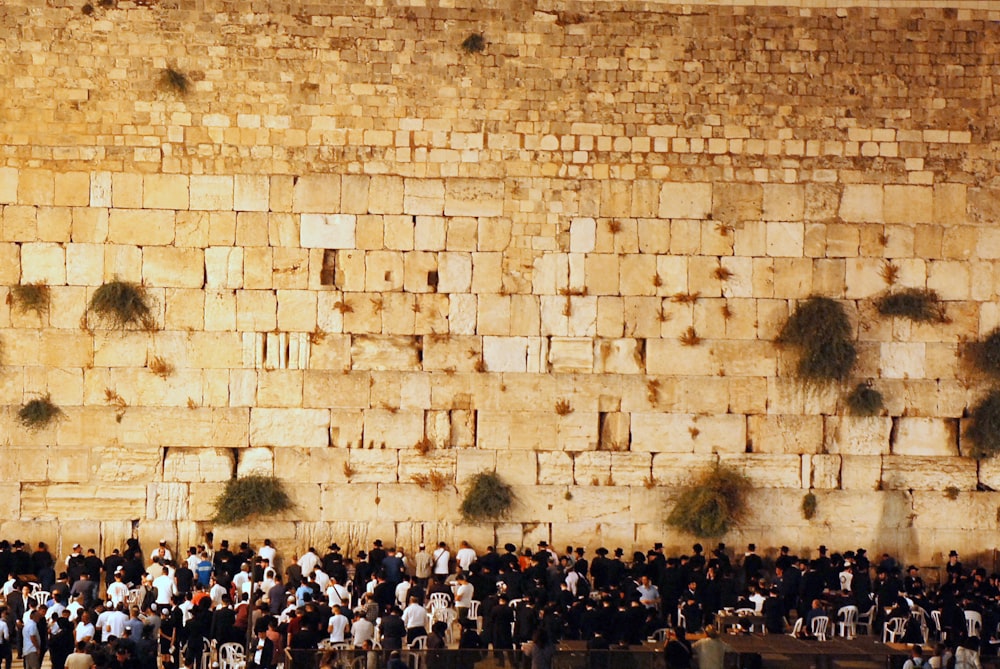
The Old City of Jerusalem is one of the most intense places on Earth! At the heart of the Jewish, Islamic, and Christian religions, this one-kilometer, walled-in area in the center of Jerusalem is beyond words and cannot be missed. The Old City is home to the Western Wall (aka Wailing Wall and in Hebrew Kotel). This is the last remaining wall of what was once the Jewish Temple and is today the holiest site in the world for Jews.

Above the Western Wall lies the Dome of the Rock, which is important for Muslims as the site where the prophet Muhammad is said to have risen to heaven.


people gathering near brick wall

Just a few minutes’ walk away lies the Church of the Holy Sepulchre, where some believe Jesus was crucified and buried.

The Old City of Jerusalem is divided into four quarters; The Jewish Quarter, The Armenian Quarter, The Christian Quarter, and The Muslim Quarter. The walled city is entered by one of seven entry gates, although the busiest for tourists is the Jaffa Gate next to which is the Tower of David Museum, providing the history of Jerusalem within the Old City Walls. Each quarter has its own unique atmosphere and observations, sites and smells, and experiences.


In the Jewish Quarter, for instance, the narrow alleyways are lined by the homes of Ultra-Orthodox (Haredi) Jewish families and Yeshivas (schools for Torah study). Walking around, you can observe the residents of the Jewish quarter go about their daily lives. There are teenage students in the Yeshivas who are often here from around the world, children playing outside schools between lessons, men rushing around between places of worship – and of course, many people praying at the Western Wall. The houses of the Old City – and the Jewish quarter, in particular – are hotly contested real estate, and for good reason. They command spectacular prices on the rare occasion that they trade hands.

Image result for jerusalem at night

The Jewish Quarter’s narrow alleyways open up as you reach the Western Wall Plaza and the wall itself. At times of Jewish festivals, the wall can be crowded, and observing the tourists brushing alongside daily prayers here is an interesting site. Anybody can go up to the wall, although men and women have separate areas. Men should cover their heads (there are paper kippahs available), and women should wear modest clothing. It is customary to place a small prayer on a piece of paper within a crack on the wall. Amazingly, the vast Western Wall represents just a tiny percentage of this elevation of the Temple, and the Western Wall Tunnels, accessed via the plaza, allow visitors to see even more of the wall underground. Also interestingly, within the Muslim Quarter is whats known as the Little Western Wall where the wall is once again exposed and visible. This is argued to be holier than the iconic section of the wall because it is closer to the ‘Holy of Holies’ – the holiest part of the Temple.

The Muslim Quarter is a huge contrast to the Jewish Quarter. Its streets are busier and more crowded, with vendors – especially within the famous Shuk – selling all varieties of products. In contrast to the other quarters where shops are generally selling religious or tourist-appealing products, here the Shuk is literally an ancient shopping mall in the 21st century where one can practice their bartering skills and buy almost anything imaginable. As in the Jewish Quarter, and the rest of the Old City, tourists wandering the streets of the Muslim Quarter find it hard to imagine how the locals go about their everyday business so normally in what is such an intense place. Kids play in the street, and men sit out in cafes smoking nargila (hookah or shisha).

Image result for jerusalem at night
The Dome of the Rock in Jerusalem


The Dome of the Rock sits above the Western Wall Plaza, and while non-Muslims are not allowed to enter the building itself, tourists are able to tour the compound and nearby Al-Aqsa Mosque.

Moving into the Christian Quarter of the Old City of Jerusalem, there is yet another change. Home to about 40 holy sites to Christians, in the streets here you will see priests and pilgrims from around the world. This quarter was constructed around the Church of the Holy Sepulchre, where Jesus is said to have been crucified and buried. Within this hot patch of real estate, even the Church is divided, with different parts controlled by different Christian sects, meaning that there are often disputes over maintenance and some parts are in poor condition.

The Armenian Quarter is one of the four sections within the walls of the Old City of Jerusalem. The other Quarters are the Jewish, Christian and Muslim Quarters. The Armenians have the smallest section in the Old City and take up 14% of the total area of the Old City. The Quarter is home to approximately 2,000 people many of whom are connected to the Armenian Apostolic Church. The Armenians have their own distinct language and culture and are ethnically neither Arab nor Jewish.

The Armenians originated from Turkey, the Caucasus Mountains and Iran. Soon after Jesus’ death the Armenians were converted to Christianity and ever since then have been making pilgrimages to the Holy Land.  Armenian monks arrived in Jerusalem in the 4th century AD. Jerusalem’s Armenian community is considered the oldest living Armenian Diaspora community in the world.

Armenians have had a strong presence in the city since at least the fourth century, when Armenia became Christian. Their quarter is said to be the oldest living Armenia diaspora community. Thousands of displaced survivors of the Armenian Genocide relocated to this part of Jerusalem in the 20th century.

Image result for the armenian quarter of jerusalem
Narrow Alley in the Armenian Quarter of Jerusalem

Armenians displaced from the former Ottoman Empire because of the genocide brought with them a special type of Turkish-style ceramic, which has since become synonymous with Jerusalem and Armenians. It’s now used for all the street signs in the Old City and is also sold in many stores. Explore the walled Old City of Jerusalem, and you’ll soon spot beautifully crafted ceramic street signs spread through the area.

The Armenian compound is enclosed by an inner wall within the Armenian Quarter and includes St. James, a convent, school, churches and residences. Along the walk from the Jaffa Gate past the Zion Gate and to the Jewish Quarter are many small shops displaying the beautiful hand-painted Armenian pottery which is made locally. Armenian ceramics can be seen adorning many parts of the Old City including the Dome of the Rock and neighborhood street signs.


8 painfully obvious signs you hate Mondays (and feel unfulfilled)

article-image

If you aren’t jumping out of bed Monday morning, there is a problem.

“Living for the weekend” is not a long-term strategy

You cannot go through life accepting that 5 out of every 7 days are going to be spent doing some undesirable to you.

If you are reading this right now in an environment that is not stimulating you, why are you even there to begin with? Because it’s easy? Because it’s comfortable? Because it pays well? If your answer is Yes, then you aren’t just doing a disservice to the company you’re working for (simply along for the ride), but you are doing a disservice to yourself.

And there is no clearer answer to that than how you feel first thing Monday morning.

If you feel any of the following, you need to question whether you’re in the right place or not.

1. You got a full night’s sleep and yet you still feel tired

This is a very clear indicator that sleep is not the problem.

The problem is you’re not emotionally invested in what you’re doing. Have you ever gone on a vacation or a trip where you’re doing stuff all day, going to bed late, and still waking up early with tons of energy because you’re excited to do more exploring?

That’s how you should feel every day, in some way, shape, or form.

2. You did not prepare yesterday for today

People despise feeling overwhelmed, and yet so many fail to realize they do it to themselves.

Failing to prepare means you are preparing to fail.

Mondays are only overwhelming if you did not take Sunday to get all your ducks in a row. And the reason why most people choose not to do this is because whatever it is they’re doing isn’t enjoyable to them.

3. Everyone else hates Mondays too

It’s easy to hate things other people hate too.

“Misery loves company.”

It’s impossible (or very, very difficult) to stay positive when your company culture is, “Hey Bob, how was your weekend?” / “Too short. Can’t believe it’s Monday. I hate Mondays.”

4. You aren’t doing something you love

Obviously.

You are not going to wake up feeling excited to go to a job you don’t genuinely enjoy.

It’s astounding how many people choose things out of comfort, or fear of the unknown, and bite the bullet on years upon years of dissatisfaction.

5. Social media either hates Mondays or crushes Mondays

Browse through Instagram on a Monday morning and you’ll see half a dozen coffee cup quote graphics either sharing the pains of waking up on a Monday, or the relentless ambition one must possess in order to crush Mondays goals.

What’s more important is, what do YOU want?

How do YOU want to be spending your Monday?

And then what can you do in order to bring that to fruition?

6. You don’t enjoy the people you work with

Most of the time, it’s the people around you that define how long you stay in any given situation.

Regardless of how you feel about the work, it can be very difficult to take satisfaction in doing something with people who don’t bring you positive energy — and vice versa.

7. Mondays mark the end of one life and the beginning of the next

When you “live for the weekend,” a Monday is the door shutting on your 48 hours of freedom — and that’s a pretty strong indicator you are living double lives.

One life is how you “pay the bills,” and the other life is what you do for personal enjoyment. In some capacity, you want to find a way to merge the two.

Otherwise, you will never find your work all that fulfilling.

8. Because Monday means doing it “all over again”

This speaks directly to our culture of chasing rewards as “means to an end.”

If you see every week as a sprint, and you endure it with the hopes that one day you’ll be “done” and you can finally “enjoy it and relax,” you’re doing it wrong. You’re missing the entire journey. You are aiming for something that doesn’t actually exist.

Fulfillment is found along the way, not in a treasure chest at the end of the rainbow.


How to Let Go of the Stress and Pressure That Weigh You Down

“Stress is not what happens to us. It’s our response to what happens, and response is something we can choose.” ~Maureen Killoran


I don’t know about you, but I often find advice to release stress and pressure to be great on paper but incredibly difficult to apply.

Just say no more often! Sounds good, but my twenty-month-old son still needs constant care and I need to earn money, so there’s a lot I can’t just not do.

Get out in nature! I do try, but it’s been cold and grey, and often I don’t get time to myself until night—when it’s even more frigid.

Exercise more! I have the best of intentions, but I’m pregnant, frequently exhausted, and there’s that whole time thing again. I just can’t seem to create more of it, try as I may.

I suppose this is true of most good advice: It’s far easier to make a list of great ideas than it is to actually apply them. And it’s hard not to resist all those well-intentioned suggestions as overly simplified and maybe even unrealistic.

That, I’ve realized, is my biggest problem—one that you can perhaps relate to as well: While my circumstances can be challenging and limiting, most of the stress and pressure I feel originates with some form of internal resistance. Resistance to what was, what is, what might be, what I’m doing, what I could be doing, who I am… the list goes on.

And it might look like this:

  • Rehashing the past (and pressuring myself to somehow fix my mistakes)
  • Dwelling on worst-case scenarios (and pressuring myself to find ways to avoid them)
  • Fighting my current reality (and pressuring myself to change it)
  • Worrying about what I have to do (and pressuring myself to do it perfectly)
  • Obsessing about what I should be doing (and pressuring myself to figure it out)
  • Fixating on what I can’t do right now (and pressuring myself to get around my limitations)
  • Wishing I had more time for myself (and pressuring myself to somehow create it)
  • Judging myself in comparison to others (and pressuring myself to be better than I am)
  • Agonizing about what people think of me (and pressuring myself to meet their expectations)

If you’ve done any of these things yourself, I’m sure you know they’re exhausting.

That’s not say we are the sole cause of our stress. Sometimes life demands that we do more and deal with external challenges beyond our control—job loss, health issues, financial troubles, divorce…

And it’s true that there are lots of little things we can do to relieve some of the tension. But the first thing we need to do is relieve the pressure where it’s generally the most intense: within our own minds.

How to Relieve the Mental Pressure

There are two things I’ve found to be highly effective in quieting my inner voice of resistance.

1. Allow yourself to feel the feelings under your thoughts so that you can calm and release them.

All too often we get caught in a thought loop as a way to avoid feeling our feelings, because stressful as it may be, thinking about our circumstances allows us to avoid facing our deepest wounds. But we have to face them to heal them. As they say, the only way out is through.

I’ve found that underneath my varying forms of internal resistance, there’s usually:

Shame/guilt:

About things I think I’ve done wrong, about who I am (when I mistakenly assume my poor choices define me), about expectations I failed to meet or might fail to meet (my own and other people’s). And this triggers my core childhood wounds that led me to believe I’m fundamentally bad.

When I feel it:

When I’m rehashing the past, judging myself in comparison to others, and agonizing about what people think of me.

Fear:

Of the unknown, failing, succeeding then somehow ruining it, losing control, not doing enough with my life/making the most of my time, not living up to my potential, hurting or disappointing other people. Once again, this triggers my childhood wounds that led me to believe I’m not good enough, and never will be.

When I feel it:

When I’m dwelling on worst-case scenarios, worrying about what I have to do, and obsessing about what I should be doing.

Anger:

Toward myself for what I think I did wrong, toward other people for how I think they did me wrong, toward for myself for maybe causing them to do me wrong (because I often find a way to blame myself), toward life for being unfair. This triggers my core belief that life should be fair, formed, you guessed it, in childhood, when life felt very unfair.

When I feel it:

When I’m rehashing the past and fighting my current reality.

Emptiness:

Because I’m not connecting with myself, others, my passions, the world at large, or anything that would fulfill me.

When I feel it:

When I’m fixating on what I can’t do right now and wishing I had more time for myself.

When I can get below the thoughts and identify one of these feelings, I can sit with it. I can cry it out—the ultimate release!

I can empathize with myself and tell myself what I need to hear—that I’m a good person who’s always done her best, that I will do my best in the future and can handle what’s coming, that everyone else is doing their best, and we all deserve understanding and forgiveness.

And I can also do what I really need to do to feel better:

Maybe take a warm bath if I’m feeling ashamed to remind myself that I deserve comfort even when I think I’ve messed up.

Maybe do something fun and childlike if I’m feeling afraid of the future to help me find joy in the present moment.

Maybe write a forgiveness letter if I’m feeling angry to help me empathize, accept, and let go.

Maybe call someone I love, journal, or do something creative if I’m feeling empty, to meet my need for connection.

The point is, after we feel our feelings, we can do something to address the specific root cause of our stress in a moment instead of arbitrarily choosing an activity from a one-size-fits-all list of stress-relievers.

So ask yourself: What am I thinking that’s stressing me out? What’s the feeling underneath it? What does that feeling have to teach me? What does it need to hear? And what can I do to help ease that pain?

2. Get out of your head (and perhaps into your body or a state of flow).

It’s ironic but true that two pieces of seemingly contradictory advice can be equally helpful and powerful, and such is the case when it comes to relieving stress. Or at least it has been for me.

On the one hand, it can benefit us to look closely at what’s going in our minds so we can understand it, challenge it if necessary, and calm the feelings underneath our thoughts.

On the other hand, sometimes we simply need to disengage from our mind’s stories—about our unfulfilling work, our mounting bills, our insensitive relatives, and so on. To recognize we’re getting caught up in a mental maze from which we may never escape unless we consciously choose to get out—and then make that choice.

Our brain’s default mode network (DMN), which is designed to protect us, tends toward negativity, often focused on the past, the future, and the intentions behind others’ behavior. Research has shown a link between a disproportionately active DMN and depression and anxiety—and has also shown that meditation can help influence the default network.

That’s why it’s so important that we learn to get out of our heads, either through traditional meditation or by getting into our bodies or a state of flow (when you’re so consumed in a task that you forget about everything else and lose track of time).

It’s not just about temporarily quieting our thoughts. Mindfulness can actually change patterns of brain activity over time, enabling us to more frequently get out of the default mode network—where we inevitably feel stressed!

How do we get out of our heads and into our bodies or a state of flow?

Here are a few ways to practice mindfulness through movement:

Yoga

As you sync your breathing with your movements and focus your attention on the subtle muscle shifts required to get into and hold each pose, you’ll find your mind naturally quieting. There are lots of different styles of yoga. My favorites are vinyasa and Bikram, since I find the heat particularly soothing.

You can find all kinds of yoga videos on YouTube, and odds are, when life gets closer to normal again, you can find a free or donation-based class near you. I personally find it easier to practice in a class than on my own, since the presence of other people holds me accountable, and there are fewer cookies and TVs nearby to distract me!

Tai Chi

I have less experience with Tai Chi, but I did practice for a while in college, as part of an acting class. Acting requires you to get out of your judging mind, and Tai Chi is a perfect practice to facilitate that, since it’s all about integrating mind and body through slow, low-impact, controlled movements and breathing.

Tai chi is less physically taxing than most yoga practices (aside from restorative yoga, which is incredibly relaxing), which makes it perfect for anyone who’s more physically limited. It’s particularly popular among the senior crowd, since it’s easy on the joints, but it’s a powerful and effective mindfulness practice for anyone, of any age!

Mindful hiking or walking

Any form of movement can be meditative if you focus your attention on the sensations in your body, and hiking and walking outside bring the added benefit of immersing you in nature—a natural stress-reliever!

Studies have shown that just twenty minutes in nature can significantly lower your stress hormones. And it can also stimulate all the body’s senses, as we tune in to the sound of running water trickling nearby, the scent of pine (known to lower depression and anxiety), the colors in a picturesque sunrise, the feeling of leaves crunching beneath our feet, and the taste of a freshly picked piece of fruit.

Here are a few ways to get into a mindful state of flow (suggested by flow researcher Steven Kolter):

Through social triggers

We often think of flow as something we achieve individually, but group activities bring the added benefit of facilitating deep connection as we move in sync or work toward team goals. This might mean getting into a collective state of flow as part of a sports team, dance troupe, or through synchronized swimming.

I remember one particular piece of choreography from a community theater show I did as a kid. There were at least twenty of us, seated, doing clapping motions with each other’s hands, tapping our own and each other’s legs. We all needed to move perfectly in sync to get it just right, which required intense focus, and I have to say it was deeply gratifying to move as part of a whole—to lose myself in the group and become immersed in something bigger than myself.

Through creative triggers

Any creative activity can get us into a state of flow if we enjoy it and lose ourselves in the task. Painting, playing an instrument, dancing, jewelry making, even doodling—pick whatever calls to you so deeply you can’t help but concentrate on the present, losing your sense of self-consciousness because the act itself is so fun and rewarding.

Through environmental triggers

Rock climbing is a perfect example, since you need to be fully absorbed in the moment to safely navigate the rock formation. As you push yourself to your physical limit, balancing and adapting to the changing terrain, you’ll find yourself going deeper and deeper into a state of flow.

Though I’ve never done outdoor rock climbing—which I imagine is all the more thrilling, since it’s riskier and you’re totally immersed in nature—I participated in a climbing course as an experiential therapy treatment for bulimia in my early twenties. I remember all my worries falling away as I focused on not falling off the beam, and I recall appreciating my body for what it could do instead of judging myself for everything I thought I was doing wrong.

The beauty of most of these practices is that we can adapt them to our needs and available time. You can take an hour class or just practice for ten minutes. You can work on a painting for two hours or sketch for a brief window before bed.

Easier said than done? Of course! It’s far easier to watch Netflix in our one free hour of time or mindlessly scroll in that brief window before bed. (Guilty as charged.) When I do that, all my heavy unfelt feelings fester, settling deep into my brain and my bones and suffocating me like an invisible straitjacket.

But I know when I do something that’s good for me, I feel it—and I want more of it. And my resistance to doing it naturally fades away, along with my stress.

So really, we just need to show up once—really show up. Be so present that we allow ourselves to fully live that moment so we can love that moment, and that love will bring us back. Back to the practice, back to our bodies, back to ourselves. Our deepest selves, underneath the stress and pressure. The true self who knows we don’t need to be more, we don’t have to do more, we just have to let ourselves enjoy more. Because within that enjoyment there’s peace and healing. And no matter what our negatively biased brains tell us, we absolutely deserve it.